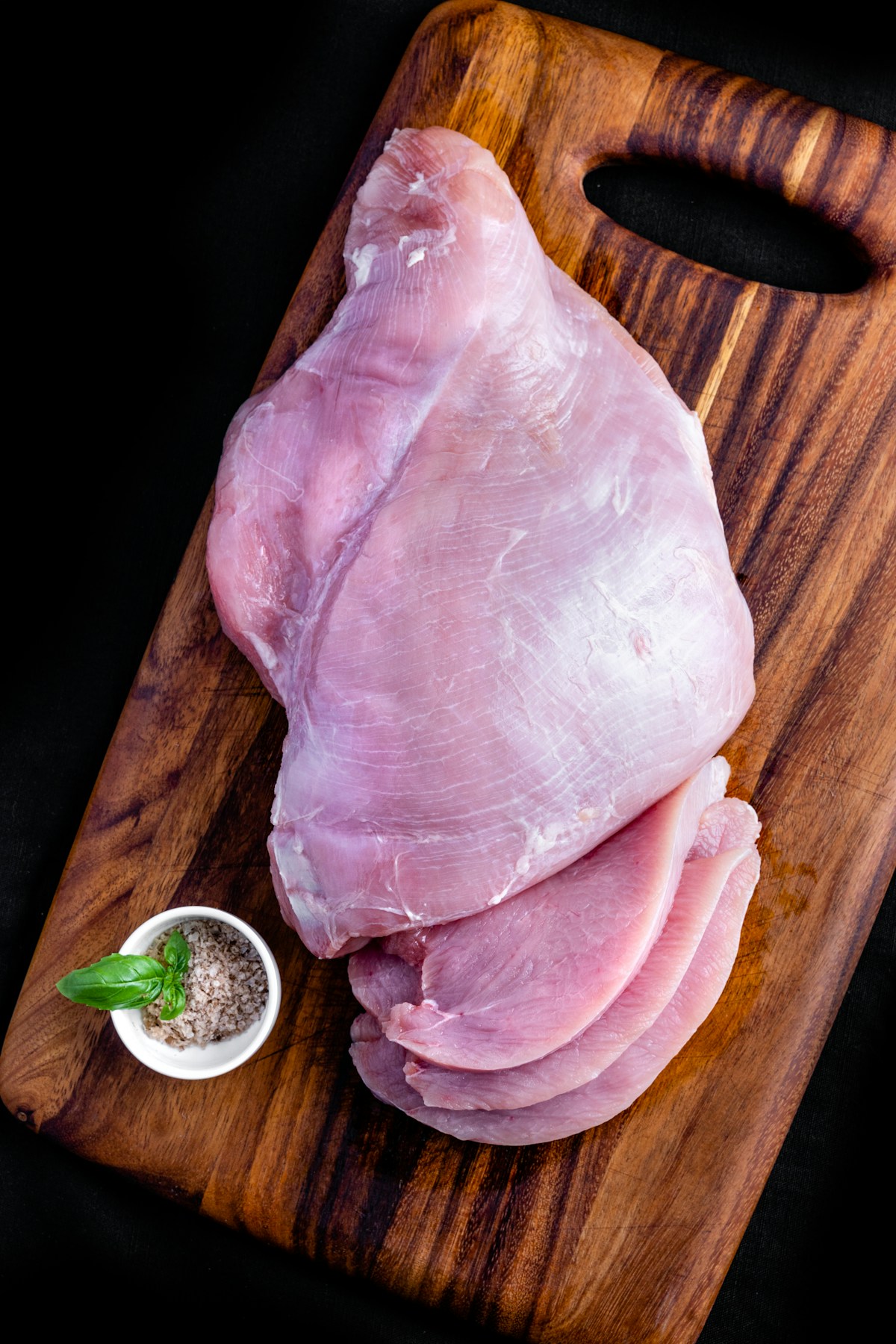
Yes — Chicken Is Safe for Dogs (Cooked, Plain)
Plain, cooked chicken with no bones, seasoning, onion, or garlic is one of the best protein sources you can feed your dog. It is lean, highly digestible, and rich in essential amino acids.
Cooked Chicken: The Gold Standard
Cooked chicken breast or thigh (without skin) is an excellent food for dogs. It provides high-quality protein, B vitamins, and phosphorus. It is also one of the most commonly recommended foods for dogs recovering from illness or digestive upset — often paired with plain white rice.
✅ How to Serve Cooked Chicken
- Boiled or baked — never fried
- No salt, garlic, onion, or any seasoning
- Remove all bones before serving
- Remove the skin — it is high in fat and can cause pancreatitis
- Shred or dice into bite-sized pieces
What About Raw Chicken?
Raw chicken is more controversial. Some raw feeding advocates include it in prey-model diets, and dogs do have shorter digestive tracts and higher stomach acid than humans — which provides some protection against bacteria. However, raw chicken carries real risks of Salmonella and Campylobacter contamination. These bacteria can cause serious illness in dogs and can also be transmitted to humans who handle the meat or come into contact with the dog's faeces.
⚠️ Raw Chicken Risks
- Salmonella and Campylobacter contamination risk for dog and owner
- Immune-compromised dogs, puppies, elderly dogs, and pregnant dogs are especially vulnerable
- If feeding raw, use reputable suppliers and follow strict hygiene protocols
- Most mainstream veterinary associations recommend against raw feeding due to infection risk
Chicken Bones — Never Cooked, Be Careful with Raw
This is the most critical safety point: cooked chicken bones are extremely dangerous. Cooking causes bones to become brittle and splinter into sharp fragments that can puncture the oesophagus, stomach, or intestines. Raw chicken bones are softer and less likely to splinter — they are sometimes included in raw diets — but still carry obstruction risk, especially for small dogs or dogs that gulp food.
🚨 Seek Vet Help Immediately If Your Dog:
- Swallows a cooked chicken bone (any size)
- Is gagging, retching, or drooling excessively after eating bones
- Shows lethargy, bloating, or stops eating after eating chicken bones
- Has blood in stool or difficulty passing stool after bone ingestion
Portion Sizes for Dogs
Chicken should complement a balanced diet, not replace it. As a rough guide for plain cooked chicken as a food topper or meal component:
| Dog Size | Weight | Chicken Per Meal (approx.) |
|---|---|---|
| Small (e.g. Chihuahua, Maltese) | 2–5 kg | 30–60g cooked chicken |
| Medium (e.g. Beagle, Cocker Spaniel) | 10–20 kg | 80–120g cooked chicken |
| Large (e.g. Labrador, Golden Retriever) | 25–40 kg | 150–220g cooked chicken |
| Giant (e.g. Great Dane, Mastiff) | 45 kg+ | 250–350g cooked chicken |
These are approximate values for chicken as a primary protein in a home-cooked meal. Always ensure the overall diet is balanced with carbohydrates, healthy fats, vegetables, and appropriate supplementation.
Is Chicken a Common Allergen for Dogs?
Yes — chicken is actually one of the most common food allergens in dogs, alongside beef and dairy. If your dog shows signs of food allergy (chronic itching, ear infections, digestive upset, paw licking), chicken may be a trigger even though it is a "healthy" food. In this case, your vet may recommend a hydrolysed protein or novel protein diet (e.g. duck, venison, kangaroo) to identify the allergen.
💡 Signs of Chicken Allergy in Dogs
- Persistent itching, especially ears, paws, and groin
- Recurrent ear infections
- Chronic digestive upset (loose stools, vomiting)
- Skin redness or rashes after eating chicken-based foods